Work in tech? How upskilling helps super charge your career
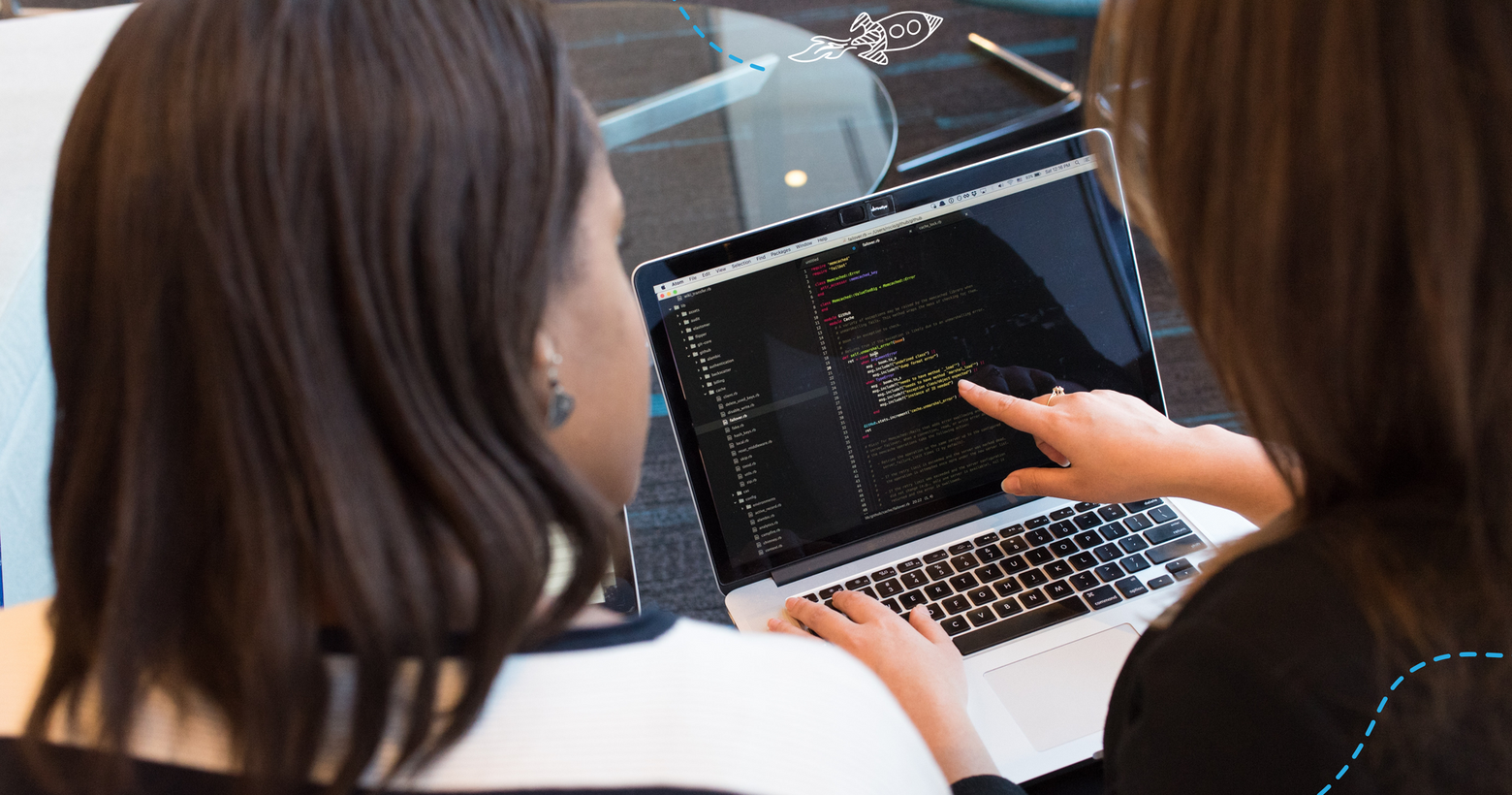
The world of work is changing at breakneck speed. For years we’ve heard the robots are coming, and for some, they’re already taking jobs. On the positive, there are countless in-demand roles in today’s market that didn’t even exist five years ago.
The good news is working in tech can be diverse, interesting, and challenging for the entirety of your career. But it means keeping up with an ever-evolving demand for skills and developing the essential skills that robots will never be able to replicate.
Here’s our guide to upskilling for a long and prosperous tech career.
Why is upskilling such a big focus in tech?
The World Economic Forum predicts that half of all global employees will need to upskill or reskill by 2025 to keep up with the evolution of jobs and workplaces. Twenty twenty-five. That’s two years from now! Further, it’s predicted that a third of the essential skills in 2025 will consist of technology competencies not yet regarded as crucial to today’s job requirements.
With tech automation and augmentation set to displace many workers over the coming years, your ability and willingness to upskill and reskill in these critical areas will help keep you on top and in demand.
What are the top soft skills to focus on?
Soft skills are considered character traits, habits and interpersonal skills that affect how well you interact with other people (to get the job done). Employers look for a balance of soft and hard skills when determining your employability.
Here are 7 soft skills that we see growing in demand:
- Analytical thinking and innovation
- Creativity, originality, and initiative
- Leadership and social influence
- Resilience, stress tolerance and flexibility
- Reasoning and problem solving
- Communication and collaboration
- Customer service
What are the top hard skills to focus on?
Hard skills are those measurable skills gained through formal training, education, and on-the-job practice. Hard skills are necessary to perform a role, for example, brain surgery!
Here are 7 hard skills growing in demand:
- Technology design and programming
- Technology use, monitoring, and control
- SQL / Structured Query Language
- Agile methodology
- Business development
- Nursing
- Finance and auditing
How to upskill like a pro
While there’s increasing demand for technical skills, technology is evolving so quickly these days that they’re practically out of date the moment they’re learned (forcing universities to get with the program ultra-fast!). It’s important you don’t get complacent and leave your development to chance. Stay in control.
Follow these 4 steps to upskill, so you can future proof your tech career:
Step 1. Audit your current skills base
You might start with your resume or the skills you’ve been endorsed for on LinkedIn. Make a list of your current hard and soft skills and whether they’re on the ‘in-demand’ list.
Step 2. Set your goals
Keep your learning strategy focused on meaningful career goals.
Consider, if there’s a specific career path you’re hoping to take. For example, straight into management, running your own company, specialising as an expert in your field, or switching careers or industries. Map it out.
Step 3. Identify your skills gaps
Working from your current skills base and career plan, what are the knowledge gaps keeping you from success? Which top future skills are missing or needing more attention?
Step 4. Establish your upskilling strategy
How will you learn these skills and when will you learn them? Consider a range of free, low-budget, and formal education options to meet your learning needs:
- on-the-job training
- mentoring and coaching
- participating in networks and online communities
- consuming content (blogs, video tutorials, books)
- formal course platforms (like Coursera, Skillshare, university or TAFE).
The world will continue to move fast. But if you keep your finger on its pulse and proactively upskill so you can adapt and evolve as workplaces and industries evolve, you’ll set yourself up for a long and rewarding tech career.
Open to new opportunities?